Modern engines are deeply reliant on electronic systems that monitor, adjust, and optimize performance in real time. At the center of this network sits the Engine Control Module (ECM), constantly analyzing data from sensors and coordinating responses across multiple systems. When something goes wrong, the ECM generates fault codes—digital signals that point toward potential issues within the engine.
For technicians and operators, these codes are more than just numbers. They provide valuable insight into how the engine is functioning and where problems may be developing. Understanding how to interpret and respond to these codes is essential for maintaining reliability, especially in diesel engines and heavy machinery.
What ECM Fault Codes Represent

ECM fault codes are standardized diagnostic messages that indicate abnormalities within the engine system. These codes are generated when sensor readings fall outside expected ranges or when communication between components is disrupted.
Each code corresponds to a specific issue, but it does not always pinpoint the exact cause. Instead, it highlights the area where further investigation is needed. This makes proper interpretation a critical step in the diagnostic process.
Categories of Fault Codes
Fault codes generally fall into categories such as fuel system issues, air intake problems, emissions control faults, and communication errors. Understanding these categories helps narrow down the source of the problem more efficiently.
Why ECM Codes Can Be Misleading
While fault codes are useful, they are not always straightforward. A single code can be triggered by multiple underlying issues, and misinterpreting it can lead to unnecessary repairs.
Indirect Causes
For example, a code indicating a sensor fault may actually be caused by wiring damage or poor electrical connections. Without proper testing, replacing the sensor alone may not resolve the issue.
Interconnected Systems
Modern engines rely on multiple systems working together. A problem in one area can trigger codes in another, creating confusion during diagnosis.
ECM Fault Codes in Agricultural and Heavy Equipment

In tractors, harvesters, and industrial machinery, ECM fault codes play an even more critical role. These machines operate under demanding conditions where downtime can have significant operational and financial consequences.
For technicians maintaining this equipment, understanding common ECM fault codes is essential for identifying issues quickly and accurately. Early diagnosis allows for timely repairs, preventing small problems from escalating into major system failures during critical work periods.
Environmental Impact on Diagnostics
Dust, moisture, and vibration can affect sensors and wiring, increasing the likelihood of communication-related fault codes. These environmental factors must be considered during diagnosis.
Common Types of ECM Fault Codes
While codes vary by manufacturer, certain types of faults are commonly encountered across different engines and systems.
Fuel System Codes
These codes indicate issues with fuel delivery, pressure, or injector performance. They often point to problems such as clogged injectors or failing fuel pumps.
Air Intake and Sensor Codes
Codes related to airflow sensors or intake systems can signal problems with air-fuel ratios, affecting combustion efficiency.
Communication Errors
These codes suggest disruptions in data exchange between the ECM and other components. They are often caused by wiring faults or module failures.
Diagnostic Approach That Works

Effective diagnosis involves more than simply reading fault codes. It requires a structured approach that combines data analysis with physical inspection.
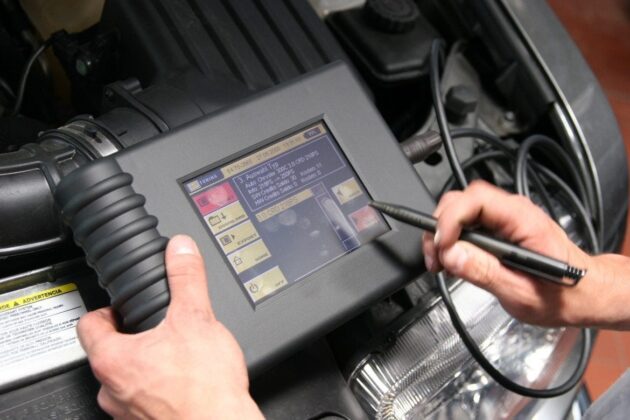
Technicians typically begin by scanning for codes and reviewing live data from the engine. This is followed by inspecting wiring, connectors, and components associated with the reported issue. Testing and verification ensure that the root cause is identified before any repairs are made.
Routine inspections also play a key role in preventing recurring issues. Guidance such as this overview of why regular vehicle inspections matter highlights how early detection can reduce repair costs and improve reliability.
The Cost of Ignoring Fault Codes
Ignoring ECM fault codes can lead to more serious problems over time. What begins as a minor issue can escalate into significant engine damage if left unaddressed.
Insights from this report on rising automotive repair costs illustrate how delays in maintenance can increase expenses. Addressing issues early not only prevents damage but also reduces overall repair costs.
Preventive Strategies for Reliable Performance

Maintaining engine health requires a proactive approach that goes beyond responding to fault codes. Preventive measures help reduce the likelihood of issues and improve overall system reliability.
Regular System Checks
Inspecting sensors, wiring, and connectors ensures that communication remains stable and accurate.
Maintaining Clean Systems
Keeping fuel and air systems clean reduces the risk of faults related to contamination and inefficiency.
Using Quality Components
High-quality parts are less likely to fail and contribute to more consistent engine performance.
Conclusion
ECM fault codes are an essential tool for understanding engine behavior and identifying potential issues. While they provide valuable guidance, they must be interpreted carefully and supported by thorough diagnostics. Relying solely on codes without deeper analysis can lead to misdiagnosis and unnecessary repairs.
By combining technical knowledge with a structured diagnostic approach, technicians and operators can use fault codes effectively to maintain engine reliability. In complex systems where electronic communication plays a central role, understanding these signals is key to keeping engines running smoothly and efficiently.
